RESEARCH & DEVELOPMENT
The technical delevopment process started with the fundamental sailing concept of creating righting moment by shifting mass to the weather side. The maximum force which can be transmitted from the wind to the boat depends on this righting moment. We will utilize 300t of payload in order to maximize the available driving force. But that´s only the beginning...
PROTOTYPING IS
THE BRIDGE BETWEEN
VISION AND REALITY
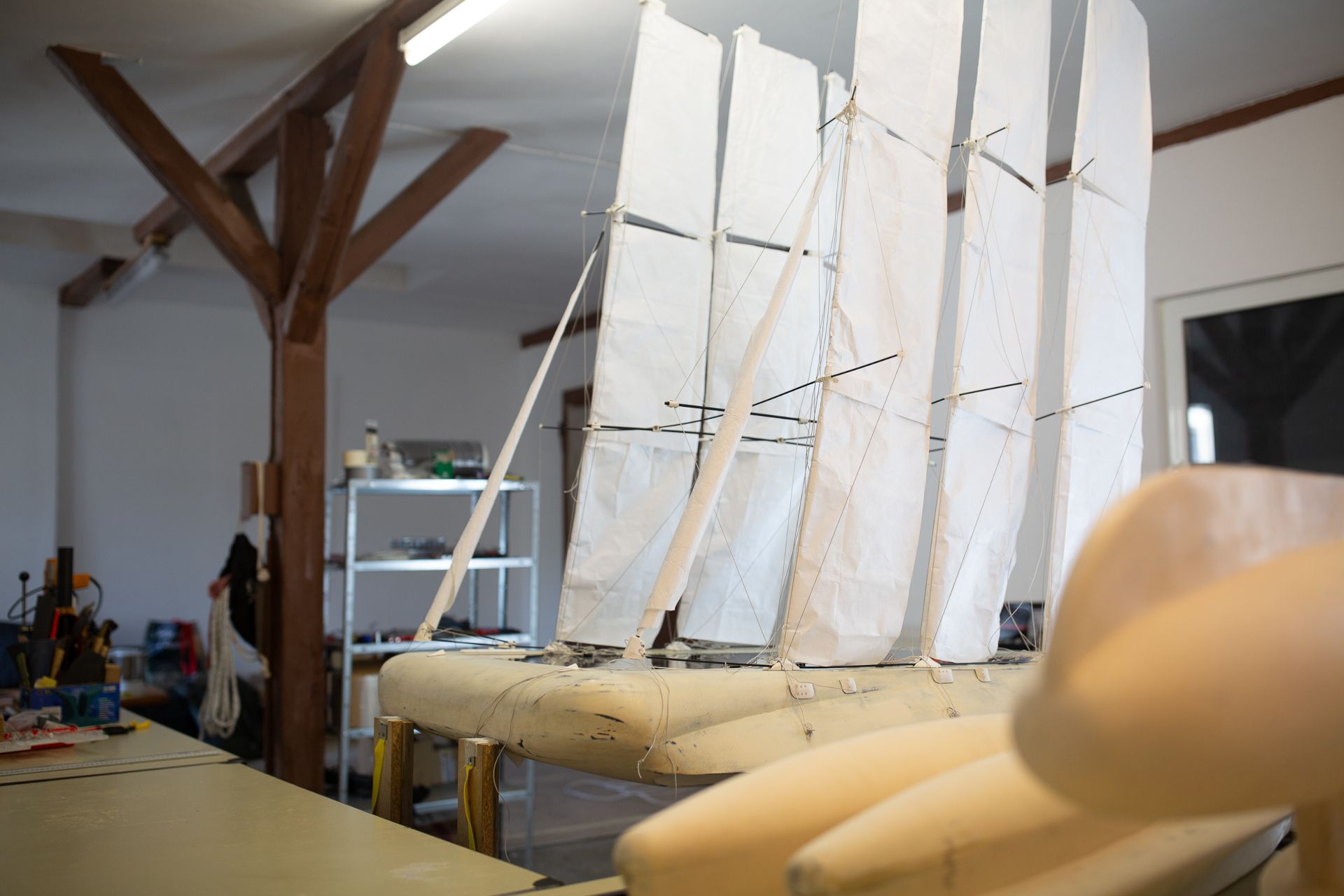
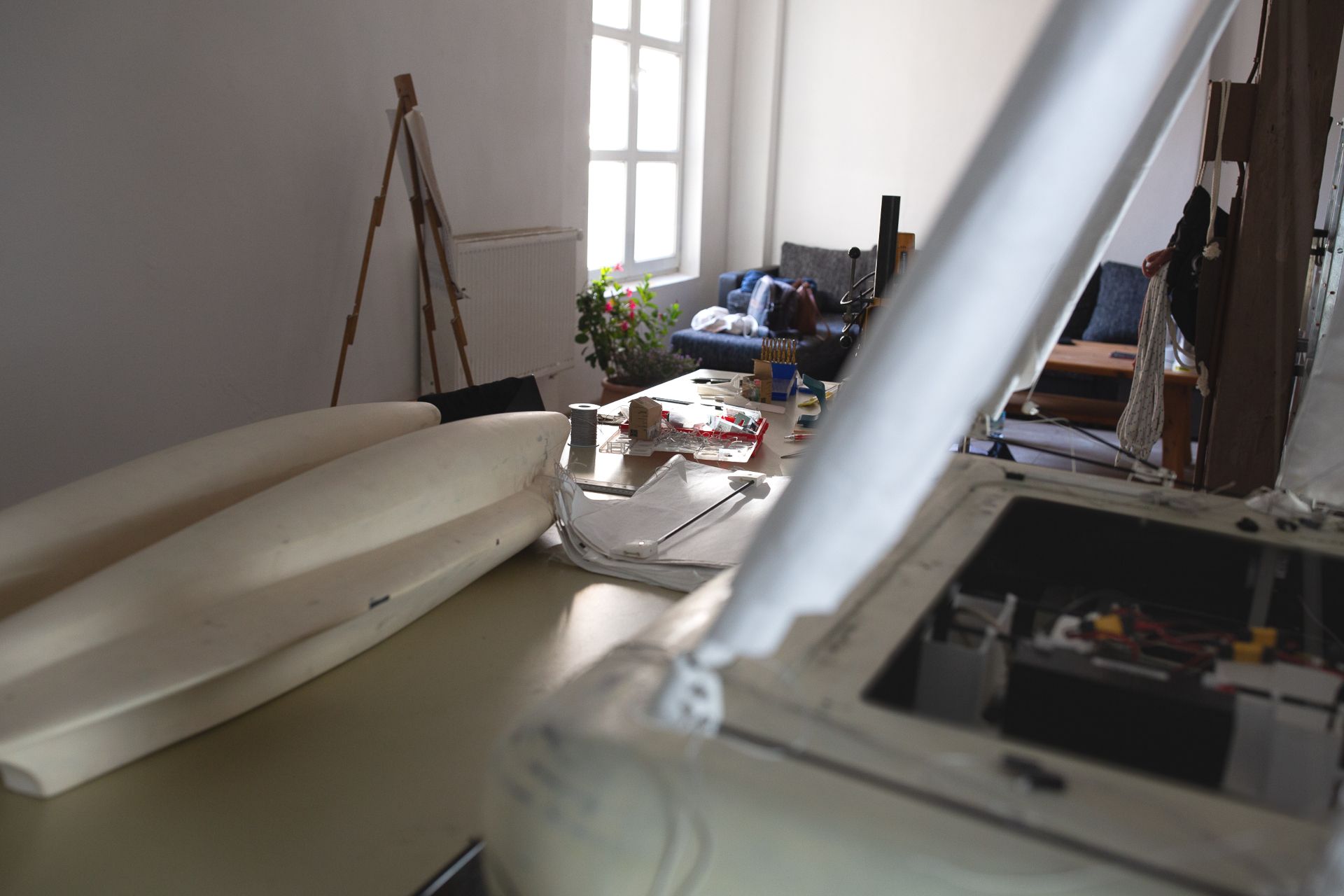
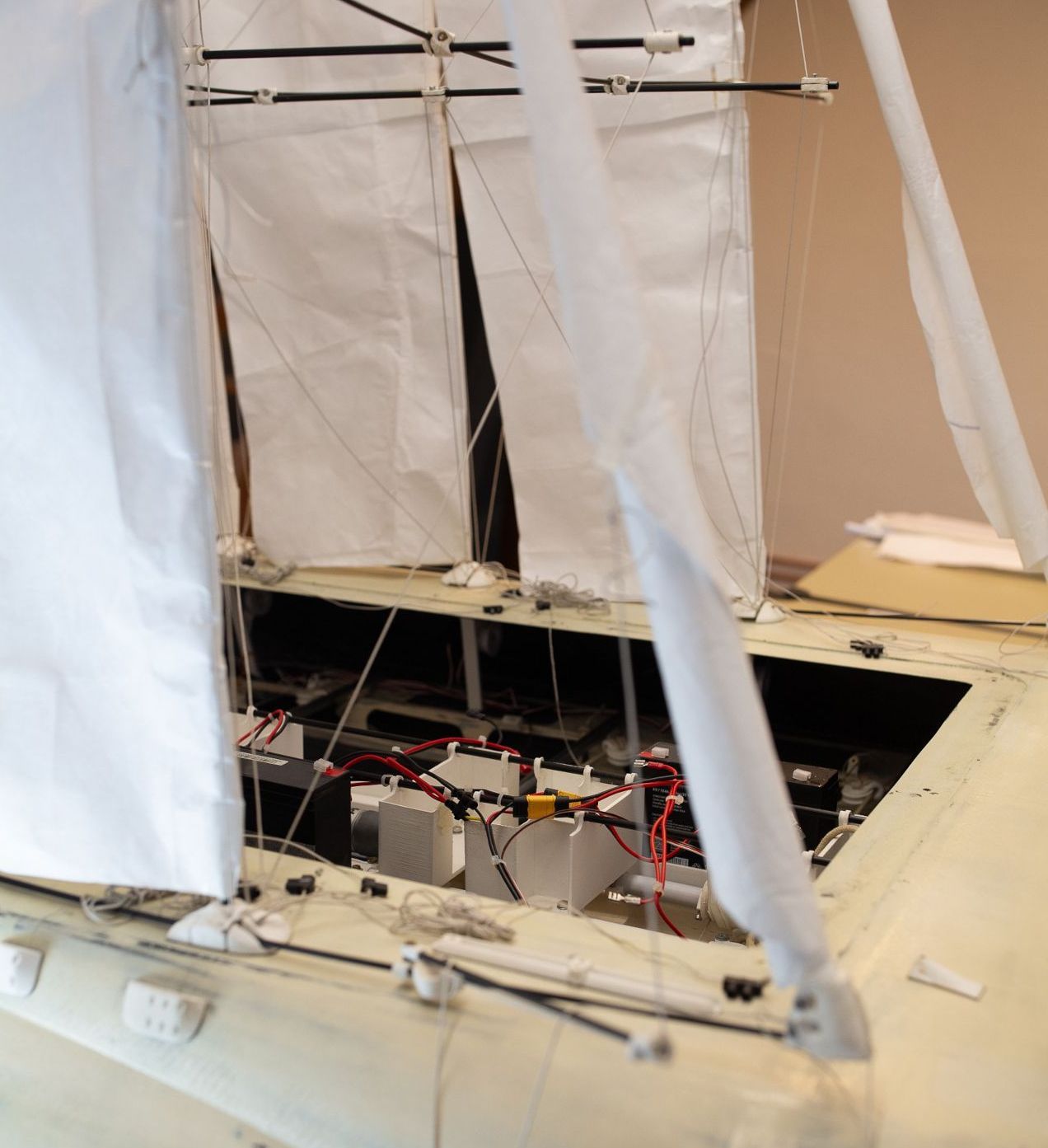
A 1:25 scale prototype is in construction to test the concept of shifting containers by an automized cargo schuttle system. The mass of the
paylpoad is simulated by batteries and additional weights for fine tuning, as well as testing different loads and mass distributions.
HYDRODYNAMIC
Modern performance sailing has a strong focus on reducing drag caused by friction of the water on the hull, by lifting the boat out of the water. A concept known as planing is utilized to reduce the wetted surface area by a significant margin. Nower days boats are flying on hyddro foils. In both cases hydrodynamic forces creating lift but also drag. Therefore it is only useful when the drag reduction is higher than the additional drag. That´s why this concepts are suitable for light weight boats, cause less mass means less lift is required and therfore less drag is generated. A cargo vessel on the other side is heavy by it´s purpose. So we have to think in other directions.
MULTI HULL
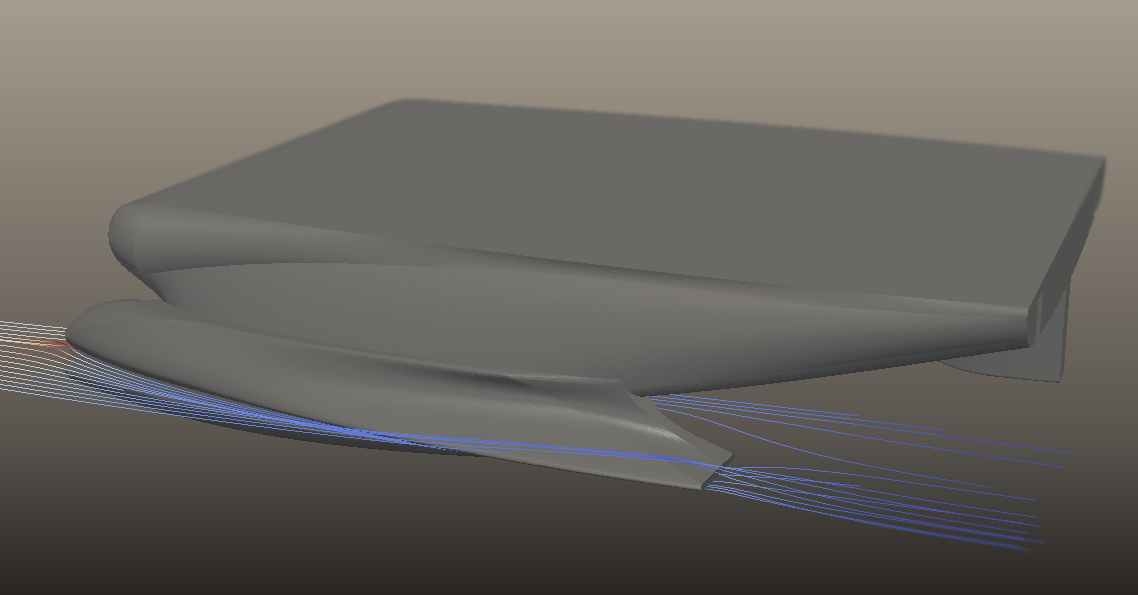
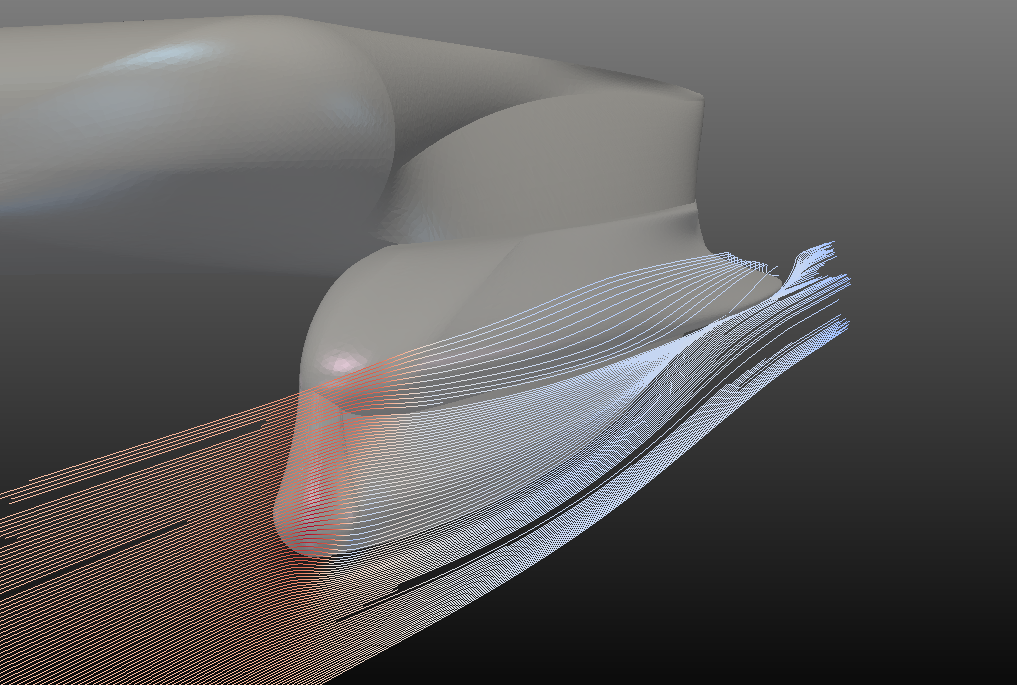
The goal of the boat concept is to balance static and dynamic stability, high righting moment and low drag on a given displacement. Based on computer simulations and small scale model tests, the combination of a submerged lifting body and two outboard hulls seems to be a good choice for the task.
The unique NOVEMBER SHIPPING - Design converts boat speed into additional righting moment by using the hydro dynamic lift acting on the leeward hull and the wave system generated by the submerged lifting body.
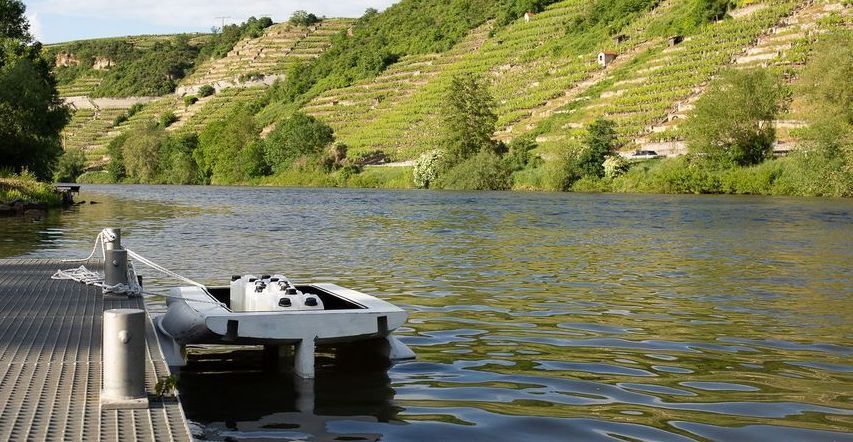
REAL WORLD TESTING
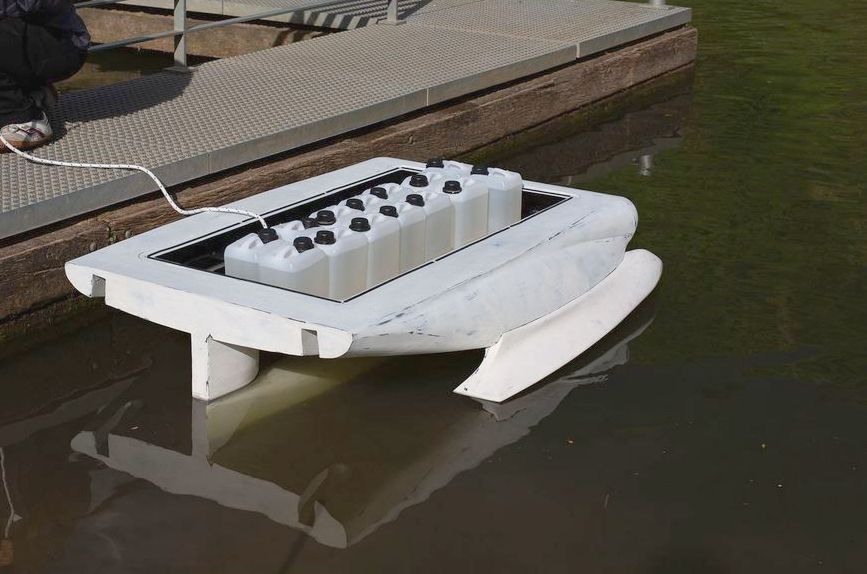
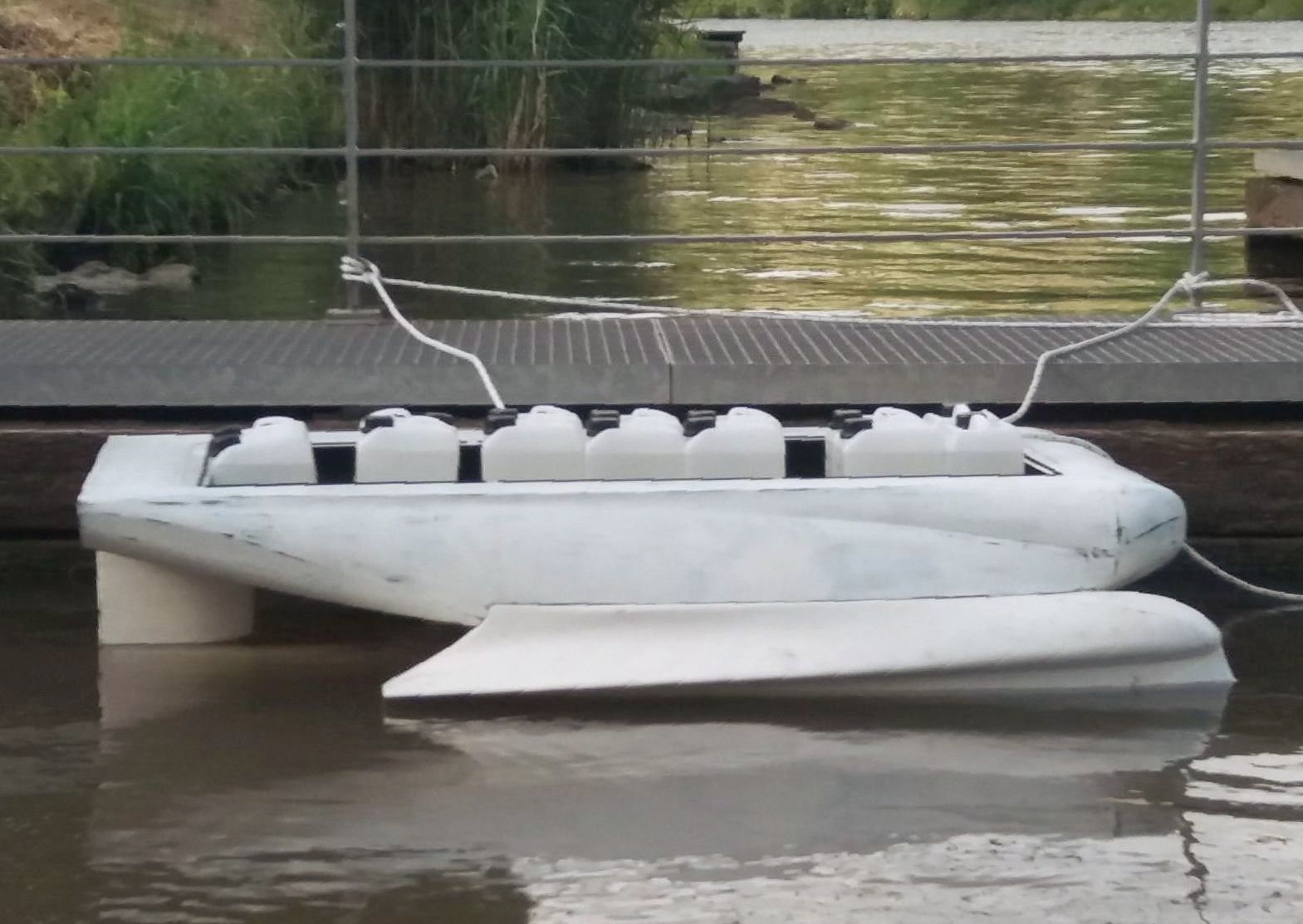
First water contact took place to evaluate real displacement, load cappacity and weight distribution
of the empty 1:25 prototype.
RIGGING
Main purpose of the rigg is to have a mechanical structure to hoist the sails and transfering the loads into the boat, like on every othery sailing vessel. In addition to that, we will utilize the rigg for an onboard crane system, which gives us the ability to load and unload cargo complementary or independent from land based cranes.
PROTOTYPING
In order make the 1:25 scale prototype a usfull test platform for manoevering procedures, some chalanges
like miniture remote controlled head sail furler has to be solved, even there are well prooven in full scale application.
SAIL TRIM
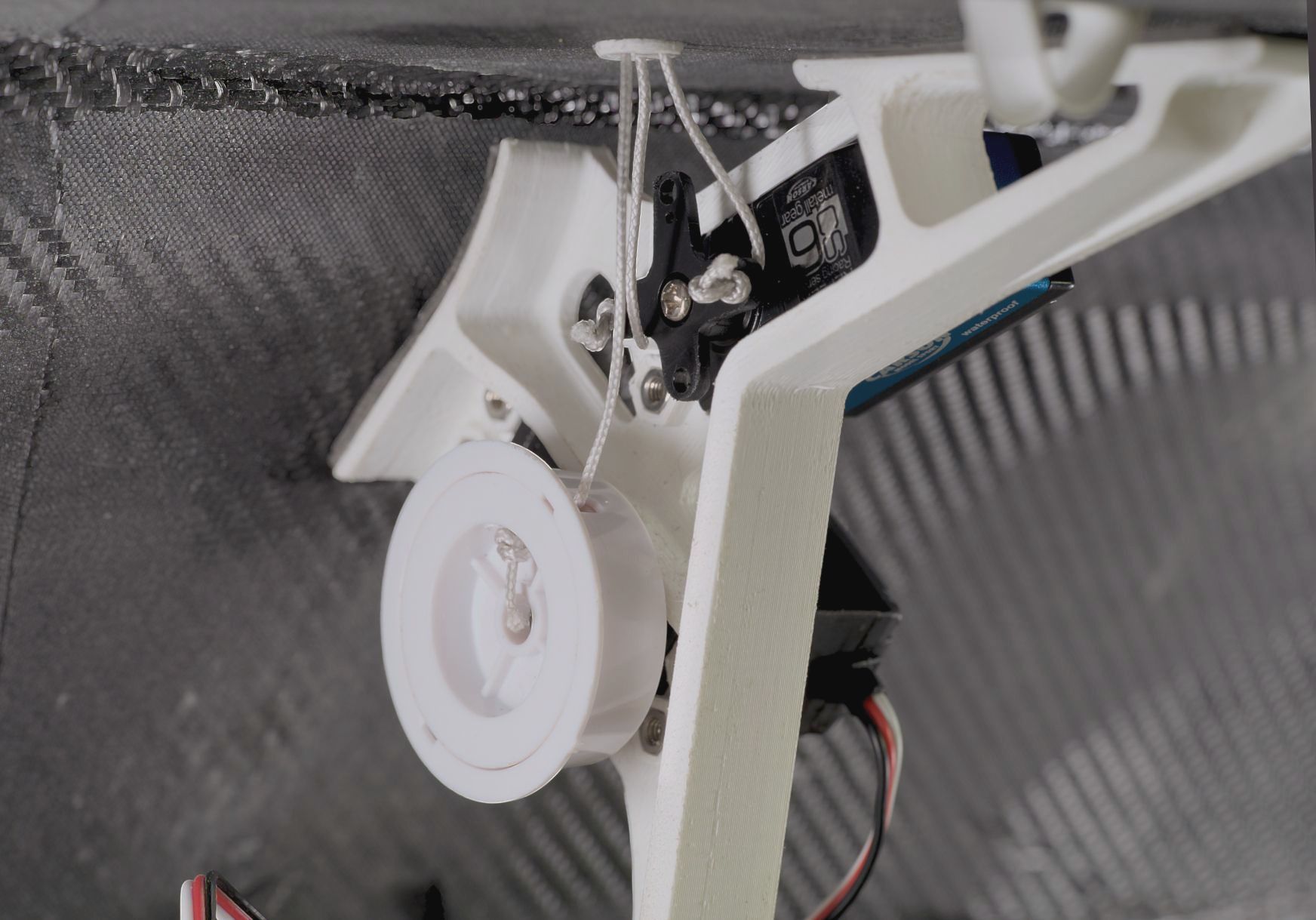
Every mast has its individuell set of servos and whinches to provide precise sale shape control. The test prgram includes also feedback loops between rudder angle, heel angle and sail trim in order to analize the dynaimcs of the boat and optimizng the configuration.
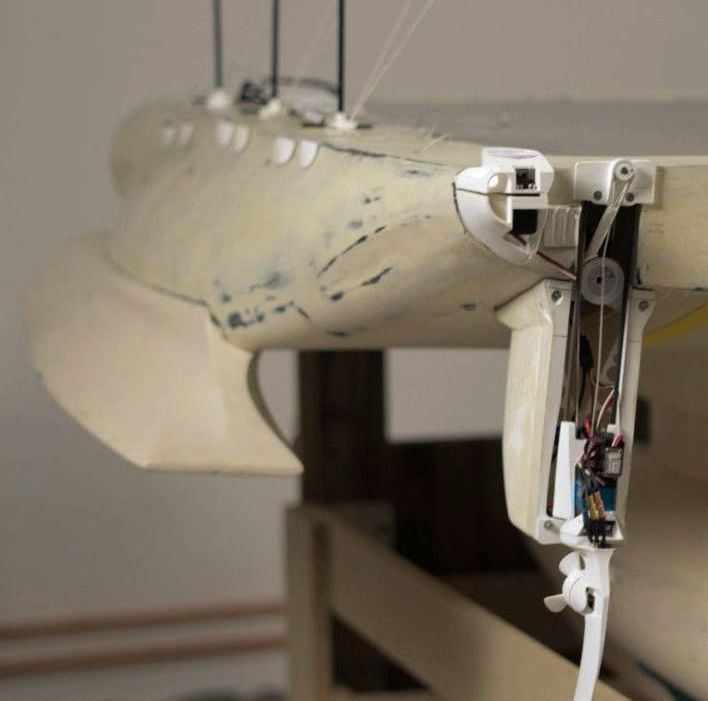
RUDDERS & SECONDARY PROPULSION
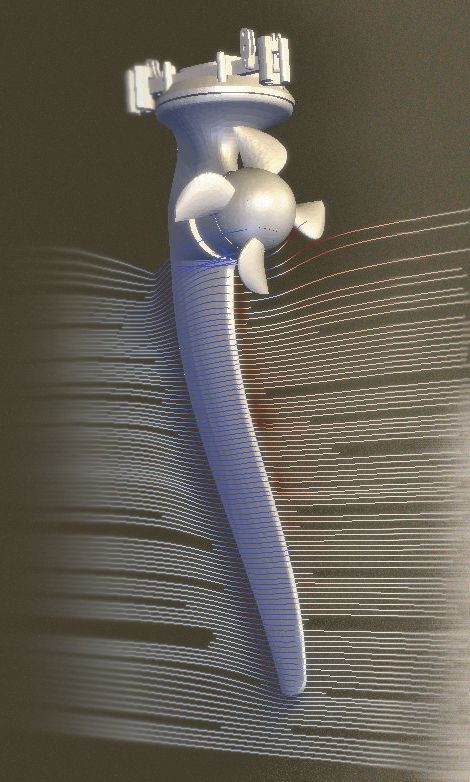
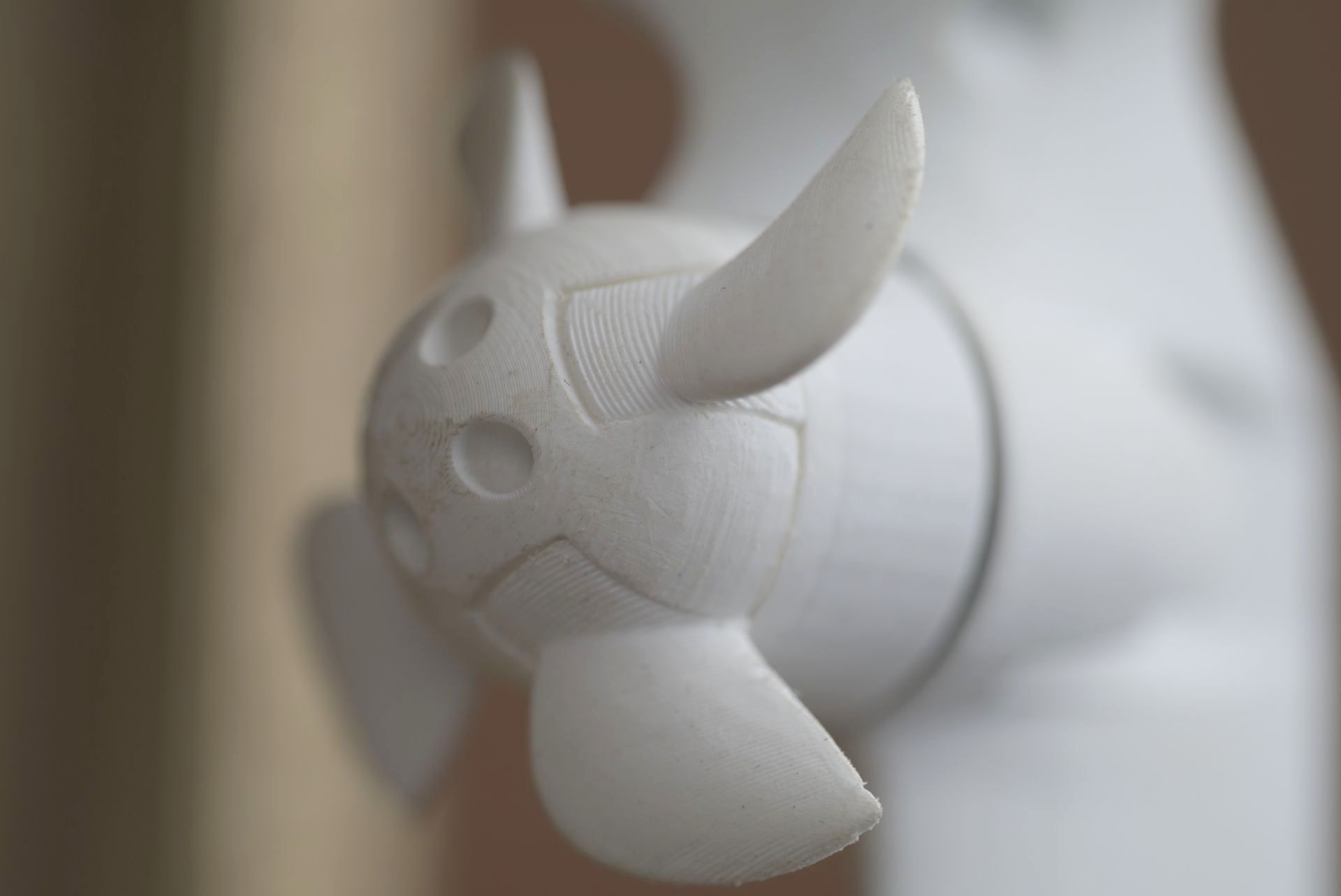
The two outboard rudder and prpulsion units movable in vertical direction. Based on the situation they can be used as maneuver and secondary propulsion, generators, rudder only, or lifted out of the water for drag reduction.
SHUTTLE SYSTEM
On the scale test platform are two shuttles implemented to test the drive configuration and the weight shift to the windward side. AGM - Batteries and additional weights acting as payload in order to test different load situations.
SHUTTLE CONTROL
Each shuttle has its own drive and control unit to reach the optimum position.